


Ordene de chevalerie: The Institution of Knighthood in Medieval Europe


One of the most recognizable concepts from medieval Europe, chivalry serves as a by-word for honor, bravery and morality. For centuries, tales of knights and their noble acts have entertained and inspired, and on May 31st, The Center for Old Music will present a program centered entirely on these tales. We hope you'll join us at Crestwood Christian Church at 4:00 pm for "Medieval Chivalry: Tales of Knights and Courtly Love", where we will perform music plucked directly from the age of knighthood and nobles. For now, read on if you want to learn more about the code of chivalry, and what that really meant for the men who walked the path of the medieval knight.

Though we most closely associate the knight with medieval Europe, the concept of a group of soldiers on horseback accompanying a ruler hardly begins there. The equites constituted the second of the property/social-based classes of ancient Rome, ranking below the senatorial class. A member of the equestrian order was known as an eques. From the earliest times and throughout the Republican period, Roman equites subscribed, in their role as Roman cavalrymen, to an ethos of personal heroism and glory. This was motivated by the desire to justify their privileged status to the lower classes that provided the infantry ranks, to enhance the renown of their family name, and to augment their chances of subsequent political advancement in a martial society. Sounds pretty familiar, doesn't it?

In medieval Europe, the concept of nobility granted through heroic and moral behavior evolved into the code of chivalry, or chevalerie in French -- literally "horse soldiery". The meaning of the term evolved over time into a broader sense, because in the Middle Ages the meaning of chevalier changed from the original concrete military meaning "status or fee associated with a military follower owning a war horse" or "a group of mounted knights" to the ideal of the Christian warrior ethos propagated in the romance genre, which gained popularity during the 12th century. Along with this shift came the development of a "code of chivalry", a product of the Late Middle Ages. This code evolved after the end of the Crusades, partly from an idealization of the historical knights fighting in the Holy Land and from ideals of courtly love.
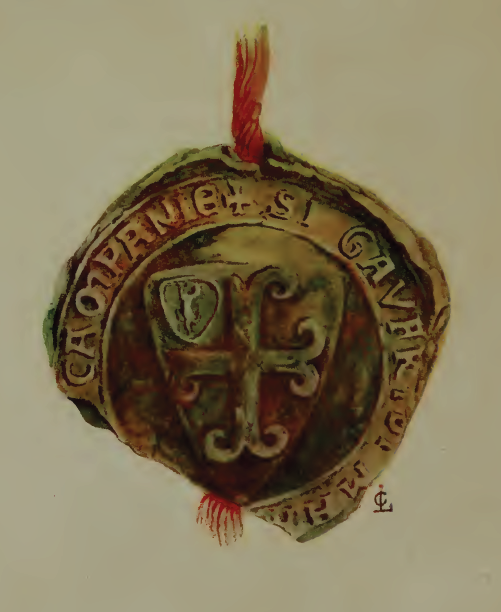
Prior to codified chivalry, noble conduct focused on the preudomme, a term which can be translated as a wise, honest, and sensible man. One such preudomme, Geoffrey of Villehardouin, provides some of the best firsthand information about what that lifestyle meant. Villehardouin was present at the origins of the Crusade during the 1199 tournament held by Thibauld III of Champagne. Throughout the five-year crusade he acted as an envoy, an ambassador, a councilman, and even a military leader at the Battle of Adrianople in 1205. Several years later, Villehardouin took the time to write down his account. He illustrated these events in epic fashion, creating not just a historical record, but a florid recollection of the values and morals such men tried to uphold: valor, righteousness and bravery. He even makes references to The Song of Roland, an 11th-century poem based on the deeds of the Frankish military leader Roland during the reign of Charlemagne.

From the 12th century onward, chivalry came to be understood as a moral, religious, and social code of knightly conduct. The particulars of the code varied, but codes would emphasize the virtues of courage, honor, and service. Chivalry also came to refer to an idealization of the life and manners of the knight at home in his castle and with his court. The code of chivalry, as it was known during the late medieval age, developed between 1170 and 1220. In medieval literature, chivalry can be classified into three overlapping areas:
Duties to countrymen and fellow Christians: this includes mercy, courage, valor, fairness, protection of the weak and the poor, and the servant-hood of the knight to his lord. This also includes being willing to give one's life for another's; whether for a poor man or his lord.
Duties to God: this includes being faithful to God, protecting the innocent, being faithful to the church, being the champion of good against evil, being generous, and obeying God above the feudal lord.
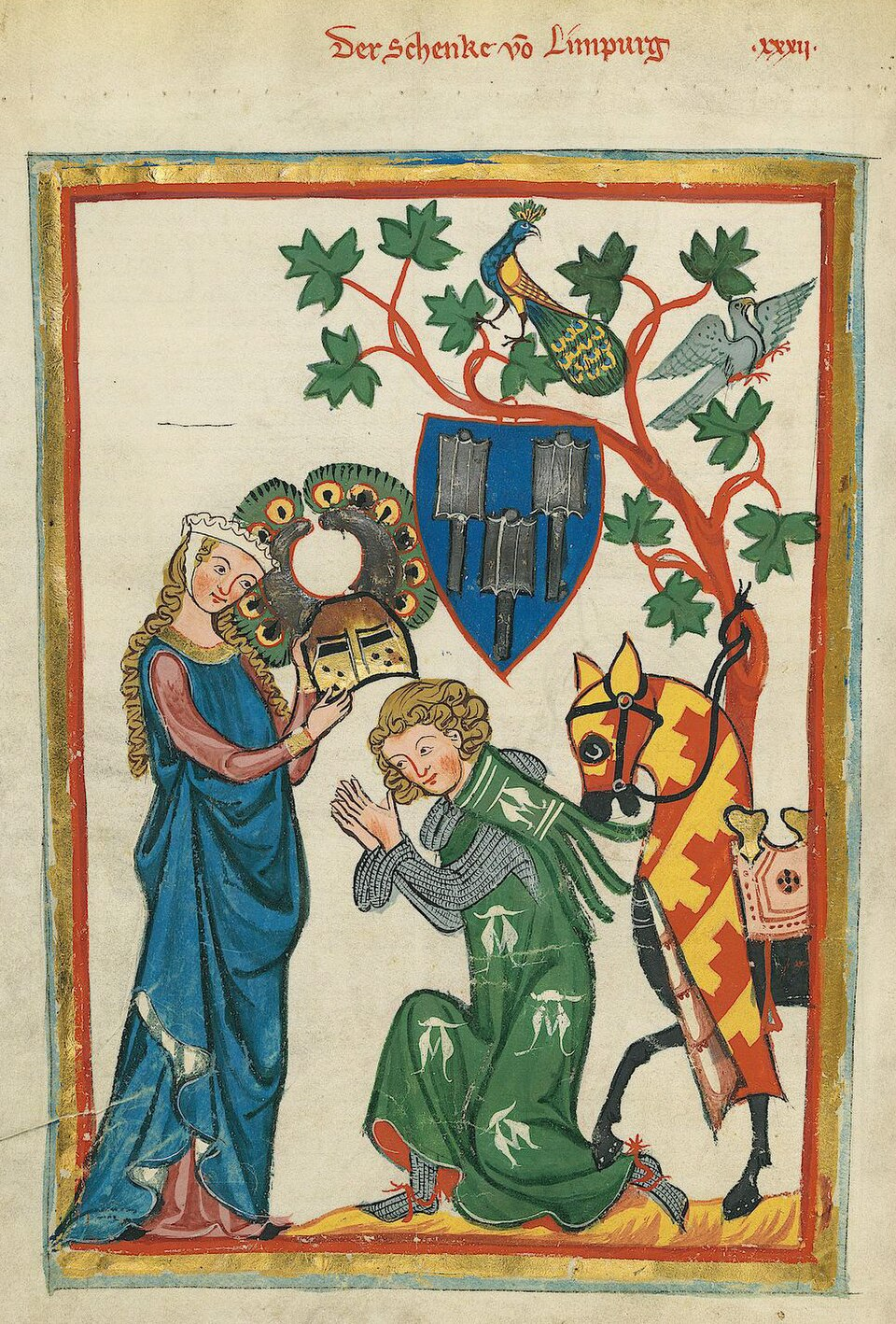
Duties to women: this is probably the most familiar aspect of chivalry. This includes what is often called courtly love—the idea that the knight is to serve a lady, and after her all other ladies—and a general gentleness and graciousness to all women.

During the early Tudor rule in England, some knights still fought according to that ethos. Fewer knights were engaged in active warfare because battlefields during this century were generally the arena of professional infantrymen, with less opportunity for knights to show chivalry. The rank of knight never faded, but Queen Elizabeth I ended the tradition that any knight could create another, making this exclusively the purview of the monarch. According to historian Christopher Wilkins, Sir Edward Woodville, who rode from battle to battle across Europe and died in 1488 in Brittany, was the last knight-errant who witnessed the fall of the Age of Chivalry and the rise of modern European warfare. By the time the Middle Ages came to an end, the code of chivalry was gone.

Chivalry might have faded from practical use after the Middle Ages, but by no means had it died. The custom of founding chivalric orders by Europe's monarchs and high nobility persisted during the Renaissance and well into the Baroque and early modern period. In the 19th century, there were attempts to revive chivalry for the purposes of the gentleman of that time. In particular, the Romanticist cultural movement had a particular fondness for the Middle Ages, which to them represented an era of chivalry, heroism, and a more organic relationship between humans and their environment than contemporary industrial society. Today, the popularity of literature, movies and tabletop RPGs set in fantastical medieval societies might indicate a similar movement in a time of extreme corporate greed and climate crisis.
Interested in learning more? Come see our performance of "Medieval Chivalry: Tales of Knights and Courtly Love" on May 31st at 4:00 pm, at Crestwood Christian Church! Additionally, stay tuned for more posts about knights and chivalry. If you enjoy the content we post, please consider a donation to The Center for Old Music in the New World. Until next time, we bid you adieu.


Comments